
I speak English – physiotherapy available in EnglishI speak English

The methods I draw on

In my work I use a range of physiotherapy methods and approaches, depending on what suits you and your particular problems.

The point isn’t to use one specific method at any cost, but to find an approach that makes sense to your body and helps you achieve the best possible result.

The McKenzie Method

Mechanical Diagnosis and Therapy = MDT®

The McKenzie Method® is a logical, scientifically grounded system of step‑by‑step assessment and therapy that helps uncover the cause of problems so that every patient gets the right treatment they currently need.

After an initial conversation, we assess your movement based on your current problems. From that, the most suitable course of treatment and exercise emerges.

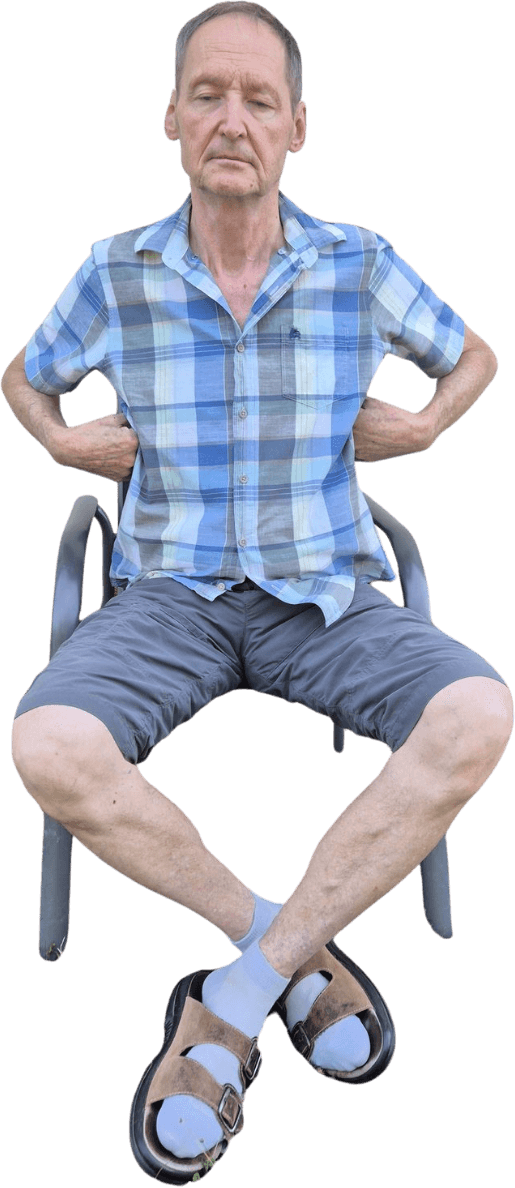
You take an active part in solving your problem by correcting your posture and doing a simple exercise throughout the day.

The goal is both pain relief and understanding your own body – learning to respond whenever the problems return in the future.

McKenzie Institute Czech Republic logo

International certification

I hold international certification in McKenzie Method® Mechanical Diagnosis and Therapy – Cert. MDT.

My education and certifications
Cover of the book Treat Your Own Shoulder (Czech edition)

Treat Your Own…

I co‑translated the Czech editions of the books “Treat Your Own Shoulder / Knee / Neck” by Robin McKenzie et al.

You’ll find the books in the Aids & books section

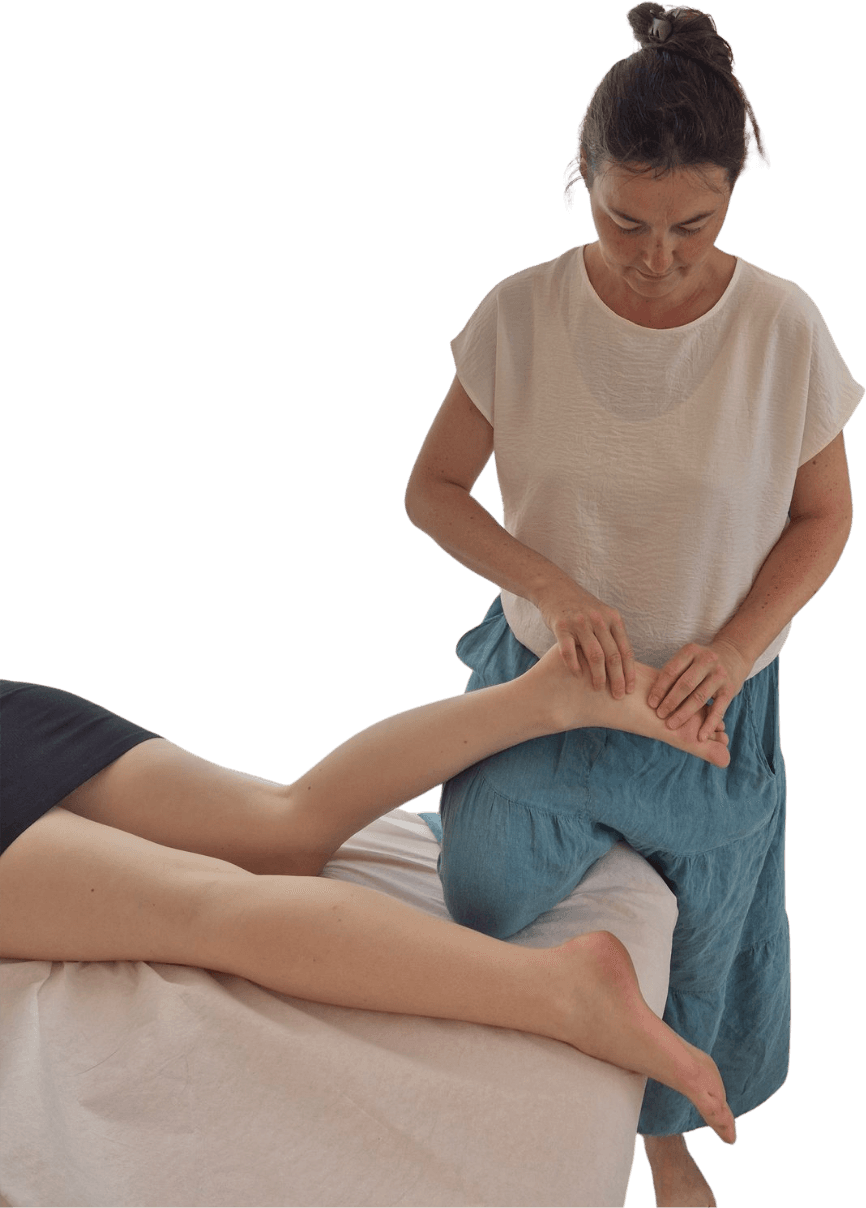
Soft‑tissue techniques and mobilisation

They release muscles, fascia and other structures in the body.

They help restore natural joint movement, reduce tension and improve muscle function.

Used, for example, for:

  • back and joint pain
  • restricted mobility
  • recovery after injuries or surgery
  • working with scars and the surrounding tissue
Physiotherapist releasing a client’s foot with soft‑tissue techniques

The 3x3 Method by Renata Sahani

The 3x3 method connects the knowledge of East and West through work with the body, breath, movement, and awareness of your own body.

It builds on the insight that the parts of the body are closely interconnected, and that some problems can arise or persist because different areas of the body stop cooperating properly.

Used, for example, for:

  • pelvic floor problems
  • incontinence
  • tailbone pain
  • painful menstruation
  • pain during intercourse
  • being unable to sit or cycle for long periods
  • long‑term and recurring musculoskeletal problems
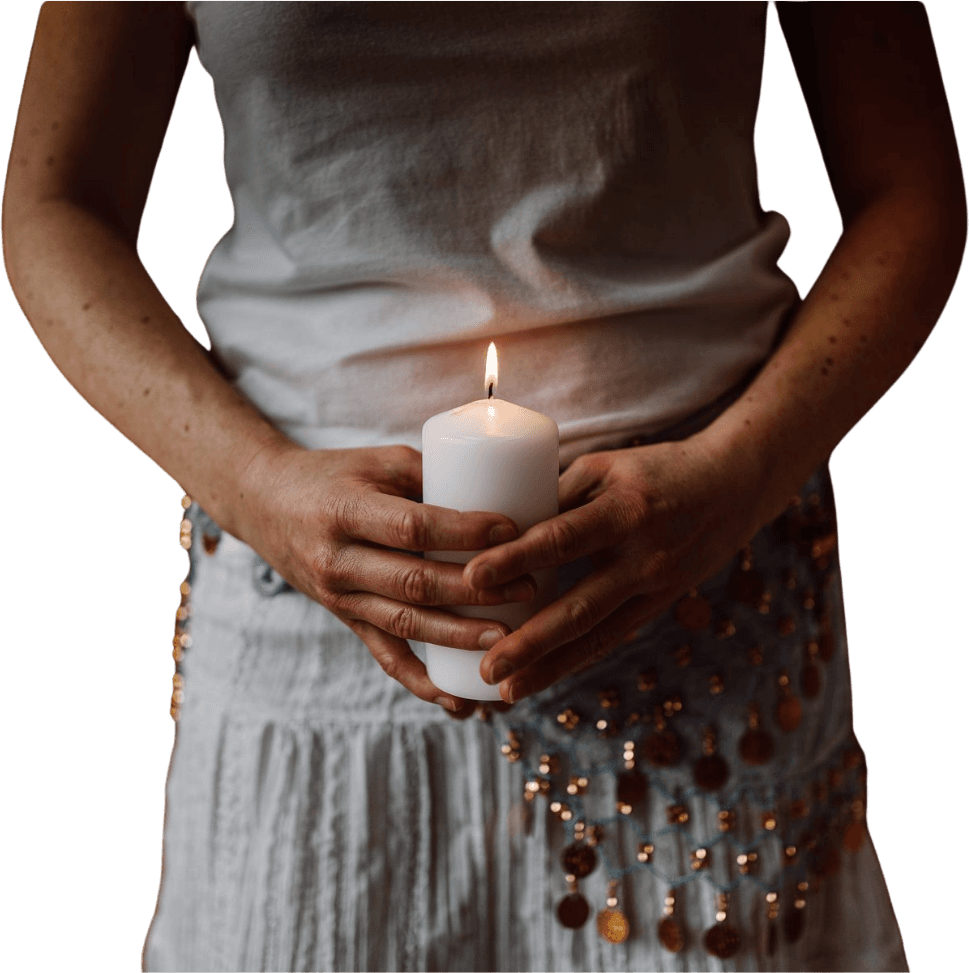
A lit candle next to a model of the pelvis
  1. First three

    3 voluntarily controlled muscle layers of the pelvic floor

    • Muscles between the pubic bone and the tailbone

      deepest layer

    • Muscles between the sitting bones

      middle layer

    • The urethral sphincter, in women also the vaginal sphincter, and in everyone the anal sphincter

      surface layer

    Part of the method is working with the three layers of the pelvic floor muscles. The goal is both strengthening them and, above all, their proper coordination, timing and engagement during everyday movement and activities.

    The pelvic floor consists of three voluntarily controlled functional muscle layers. Closest to the surface are the SPHINCTERS, which tend to be the strongest and easiest to feel. In reality, however, they should be engaged rather GENTLY – and THE LEAST OF ALL 3 LAYERS.

    Above them, BETWEEN THE SITTING BONES, lies the middle layer of the pelvic floor muscles, and still closer to the centre of the body the LAYER BETWEEN THE TAILBONE AND THE PUBIC BONE. Together they form a SUPPORTING CROSS important for stability, breathing, organ support and proper cooperation with the abdominal and back muscles.

    In therapy we focus both on muscle strength and, above all, on how the muscles cooperate and engage at the right moment.
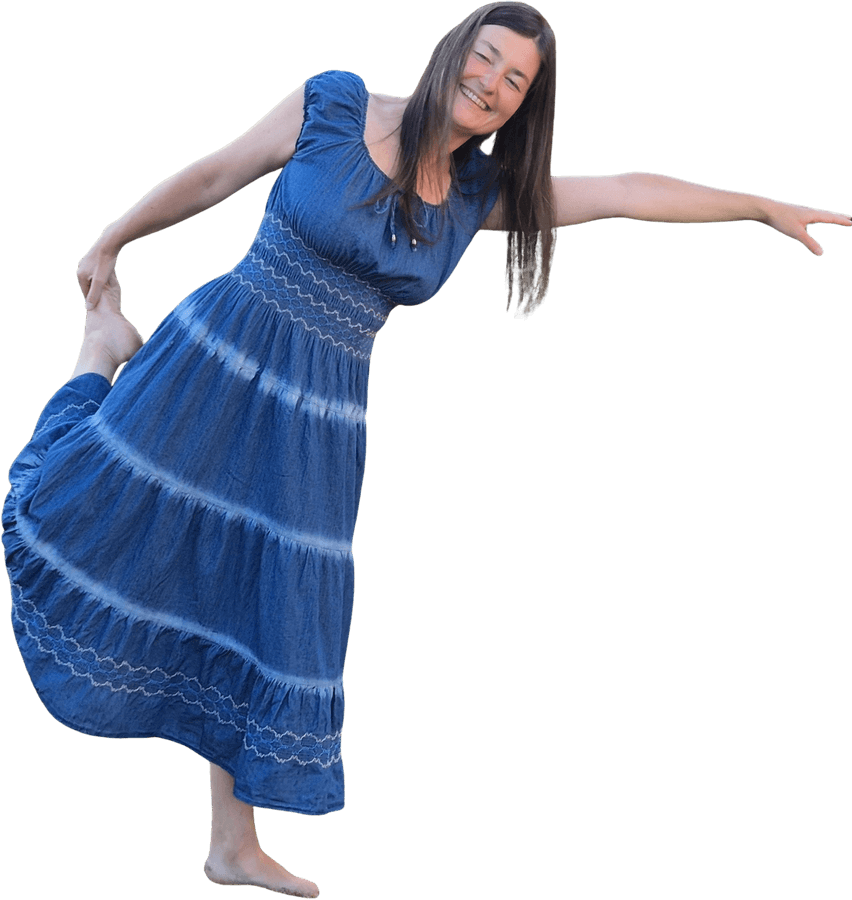
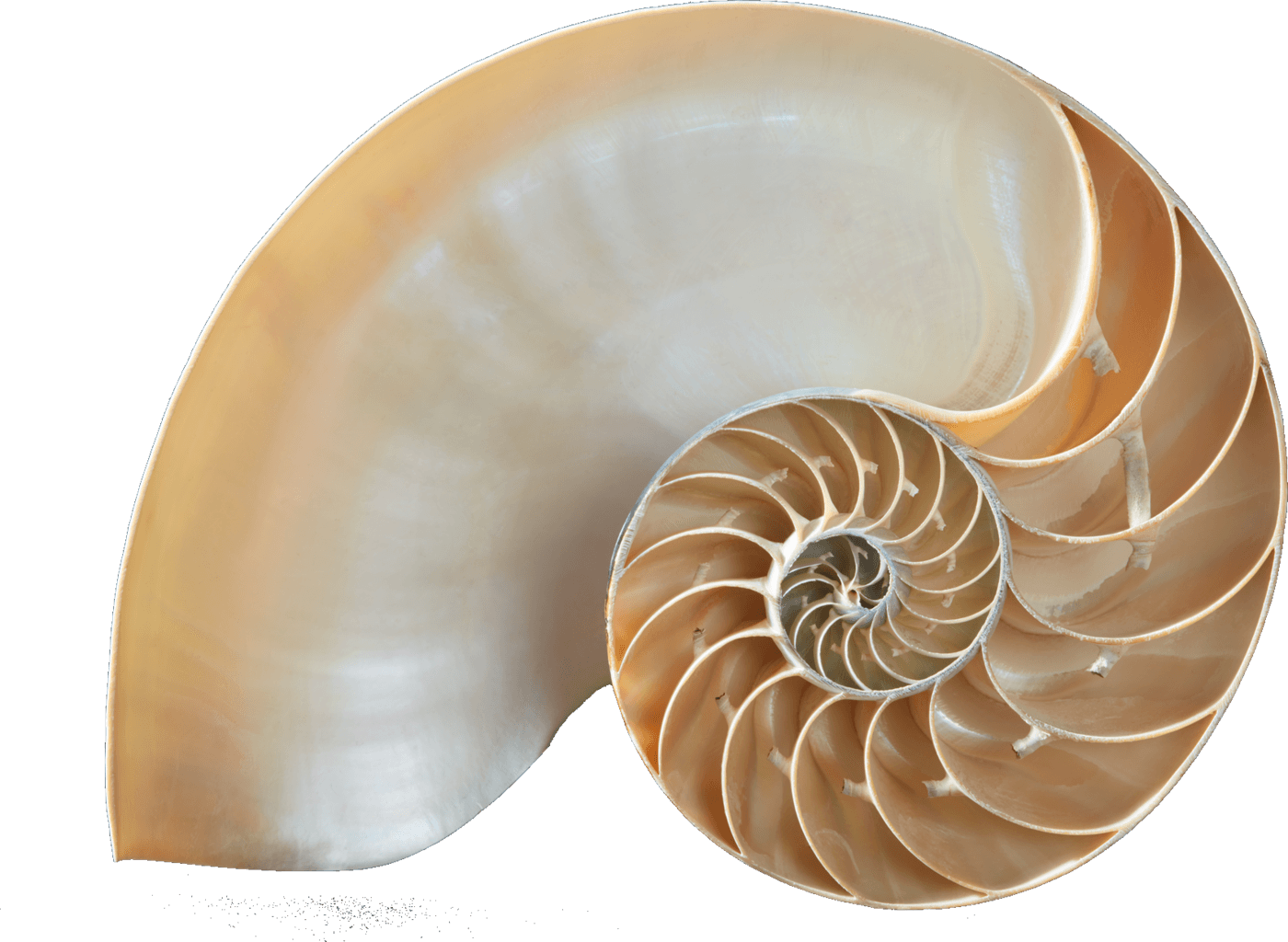
  2. Second three

    3 levels of the body

    • Neck

    • Pelvic floor

    • Feet

    These parts of the body influence each other more than we often realise. If one of them isn’t working optimally, it can affect how the others function.

    For example, pregnancy and childbirth can change how the pelvic floor works, which sometimes also shows in the position of the feet or a drop of the arch. The result can be foot pain, poorer stability, or a sense that the whole body is less fit.

    Similarly, problems in the neck area – including the condition of the thyroid gland – can relate to how the core and the pelvic floor work, or how we load our feet during everyday movement.

    The goal of therapy is to see the body as one connected whole and look for links – the cause may even lie on a different “level” than the current problems – and to balance out what we discover.

  3. Third three

    The body as a whole

    • Body

    • Emotions

    • Energy

    To explain what “the body as a whole” means, let me – Jitka – offer my own view. In therapy we can pay attention to several interconnected planes – the physical, the psychological, and the plane of inner experience (emotions, feelings).

    • The physical plane covers the body itself, its movement, posture and the function of its structures.
    • The psychological plane relates to how we respond to stress, strain or difficult life situations.
    • The inner‑experience plane concerns how we perceive our body, how we feel in it and what experiences we carry within us.

    This doesn’t mean every pain has a psychological cause. In practice, though, we often see that long‑term problems are influenced by several factors at once, and understanding them can be an important part of the path to improvement and healing.

    This also includes the energetic plane. Just as blood flows through the body, you can imagine energy flowing through the whole body too. When it gets blocked somewhere, pain or discomfort can arise.

    An example from everyday life for the “body as a whole” three: when I’m stressed, I know I breathe differently, walk differently and dance differently than when I feel joyful. So my muscles and joints also respond to how I’m feeling.

Other methods I bring into therapy depending on what’s right for you.

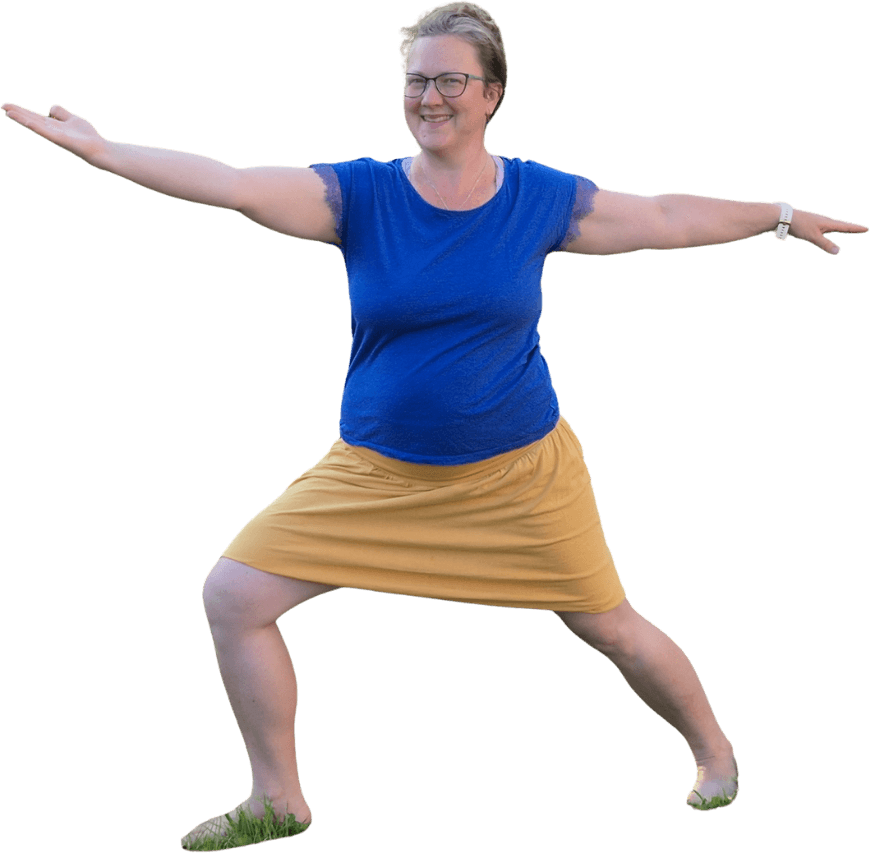
Balance and stability training

sensorimotor stimulation

Balance and stability training focuses on connecting body awareness with movement.

We often use various balance aids that help improve coordination, stability and the body’s ability to react automatically to changing loads.

Used, for example, for:

  • posture problems
  • joint instability
  • returning to sport after an injury
  • improving coordination and confidence in movement

The goal is for the body to respond naturally, efficiently and without unnecessary overload.

PNF

Proprioceptive Neuromuscular Facilitation

PNF is a physiotherapy method that uses the body’s natural movement patterns.

It helps activate the right muscles and improve movement coordination.

Used, for example:

  • for weakened muscles
  • after injuries
  • for neurological problems
  • to improve movement control

Breathing exercises

Breath is a fundamental element of movement.

Breath is life.

Proper breathing helps:

  • stabilise the trunk
  • reduce muscle overload
  • improve posture
  • support the natural movement of the pelvic floor

The goal is for proper breathing to become a natural part of movement, posture and everyday activities.

Deep Spinal Stabilisation System

often called the core

These are the muscles that keep the spine and the whole body stable.

Their proper function is key to:

  • a healthy back
  • stability in movement
  • preventing overload

These muscles often work not through strength, but through the right timing and coordination.

Come even in acute pain.

Your body’s reactions will show us which direction to take and what will help you most right now. Even a single session can make it clear how to move forward.