It starts with finding the true cause of your problems.
Every area I work in starts from the specific problem a client comes with. Below is an overview of “what I can help you with” – but we always look for solutions individually, according to your body and situation.
I provide diagnostics and treatment for problems across the whole musculoskeletal system.
Diagnostics & therapy
The foundation is finding the true cause of your problems – that’s how healing can happen.
Every client is different, so every therapy is different too.
For every diagnosis and therapy, my knowledge of McKenzie Mechanical Diagnosis and Therapy® is key.
Women’s health
Including preparation for pregnancy, physiotherapy during pregnancy, after childbirth, and after losses or gynaecological surgery.
I help women start feeling their body again, work with diastasis and restore core function. This includes working with the pelvic floor and related problems.
A story from the practice
“I have my belly back!”
Pelvic floor (women & men)
I help with problems such as incontinence, pain in the genital area, problems after childbirth or prostate surgery, and more.
Prevention is ideal, of course. Physiotherapy also makes sense for finding out whether you can control your muscles at will and whether they cooperate naturally – whether you’re at rest, laughing, sneezing, coughing, or lifting children, shopping or weights at the gym.
How I work with the pelvic floor.
- Gently, non‑invasively and FULLY CLOTHED.
- You are always the only one who touches your pelvic floor.
- No vaginal muscle‑strength examinations,
- and no tailbone mobilisation through the rectum.
- We work from body awareness, breath and gentle movement.
- Everyone takes an active part in the therapy, and everything happens with respect for your comfort.
- You can think of pelvic‑floor exercise as tuning different musical instruments to each other in an orchestra, so that harmony emerges – one attuned, harmonious piece of music.

Sports injury treatment
Treating injuries and sports damage without overload, and training a gradual increase in load, always according to the current stage of healing.
Understanding your own injury and gradually increasing the load is the best prevention of the next one.
A story from the practice
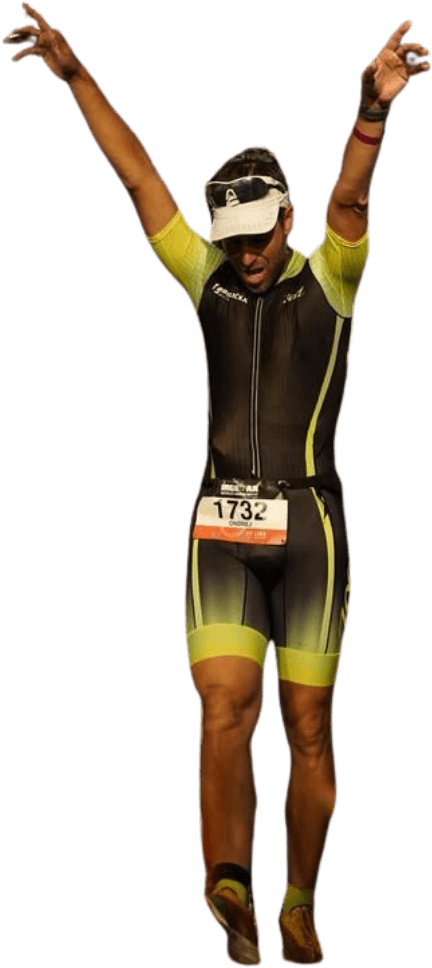
“He FINISHED his long‑held sporting dream, the IRONMAN race in Hawaii.”
Prevention & stabilisation
Help with adjusting posture, movement habits and everyday load.
This can also include training the deep stabilising system, or the “core”.
Scar treatment
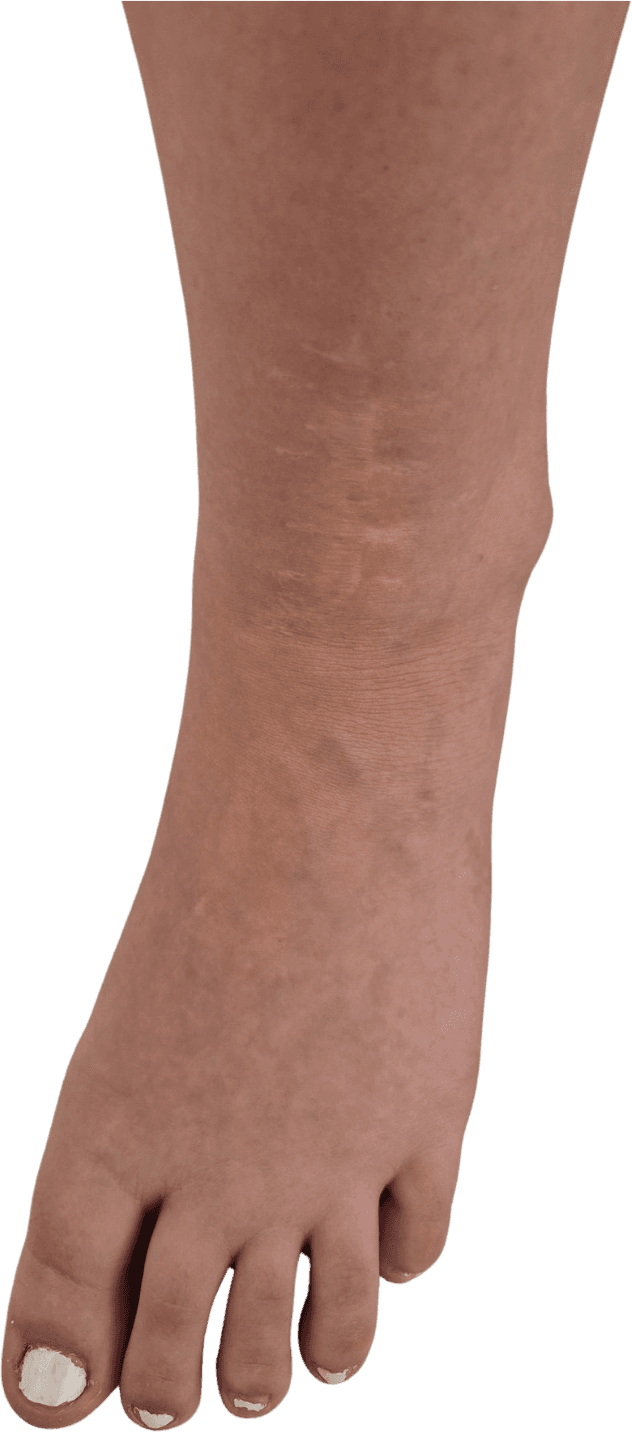
Whether your scar is from any surgery (appendix, back, a mole, hip, Achilles tendon, a tumour, or a caesarean birth), its mobility and elasticity need to be restored – as does the function of the nearby joints – for full recovery after the procedure.
Physiotherapy for children
I also work with children of preschool and school age, and with adolescents.
I most often help with:
- poor posture
- back or limb pain
- flat feet
- sports injuries
- movement difficulties referred for physiotherapy
Every child is different. That’s why I try to find a way of working that makes sense not just for their body, but also for their personality and current abilities.

Alongside psychotherapy
The body often carries what has been processed on the psychological level. Working with the body can help bring these processes to completion.
Anxiety can be felt in different places in the body – everyone experiences it differently. And it helps to know how to release and dissolve this anxiety, this bodily sensation.
Physiotherapy by video call
I’m effective and successful in video‑call physiotherapy too.
Have a chair, a few pillows and a mat or blanket for exercising ready.
We can meet online via computer or phone. Both work.

A story from the practice
“Suddenly he sat with no pain at all.”

The problems I can help you with:
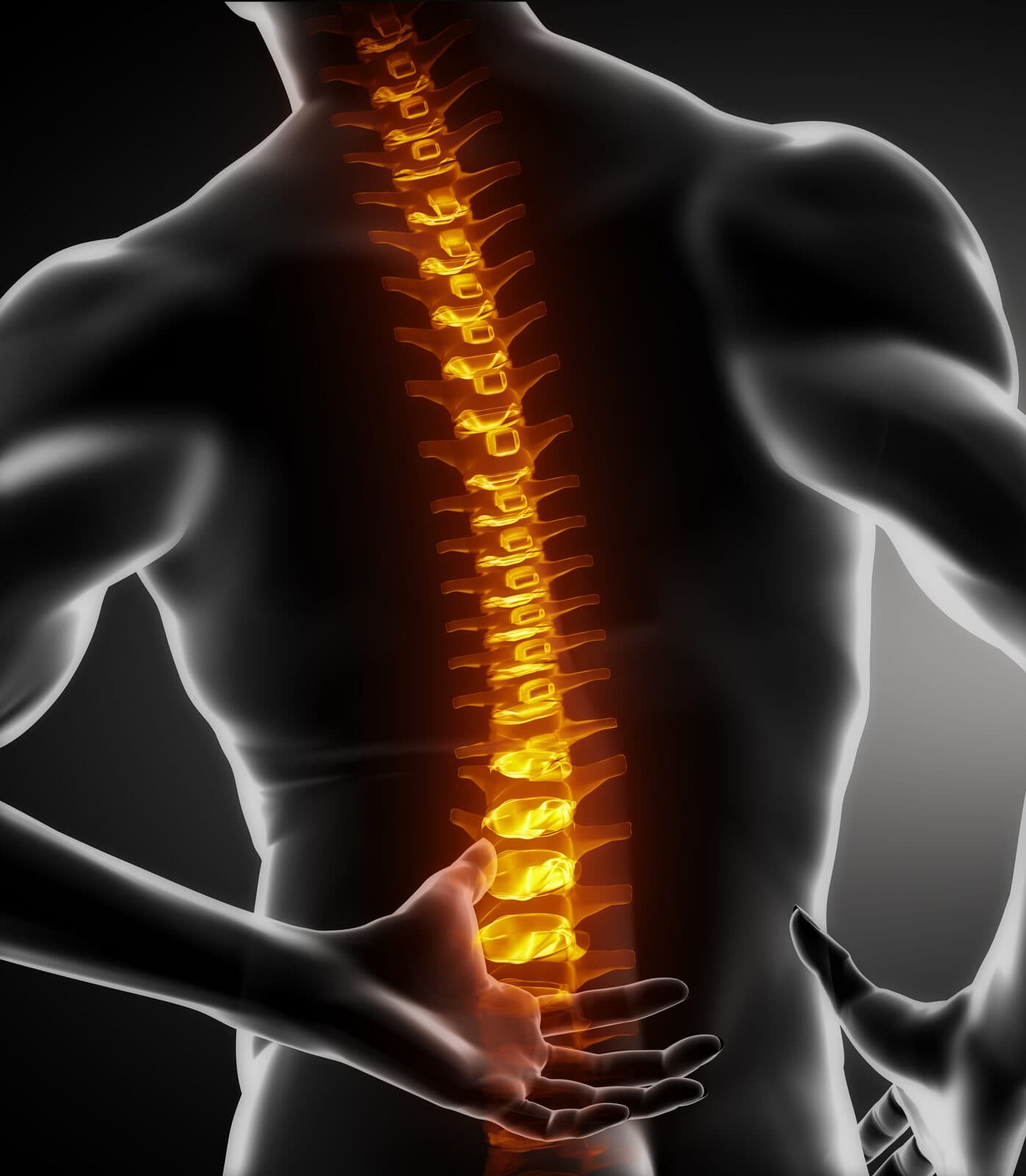
- back pain – cervical, thoracic and lumbar spine
- joint and muscle pain
- disc herniations and spinal blockages
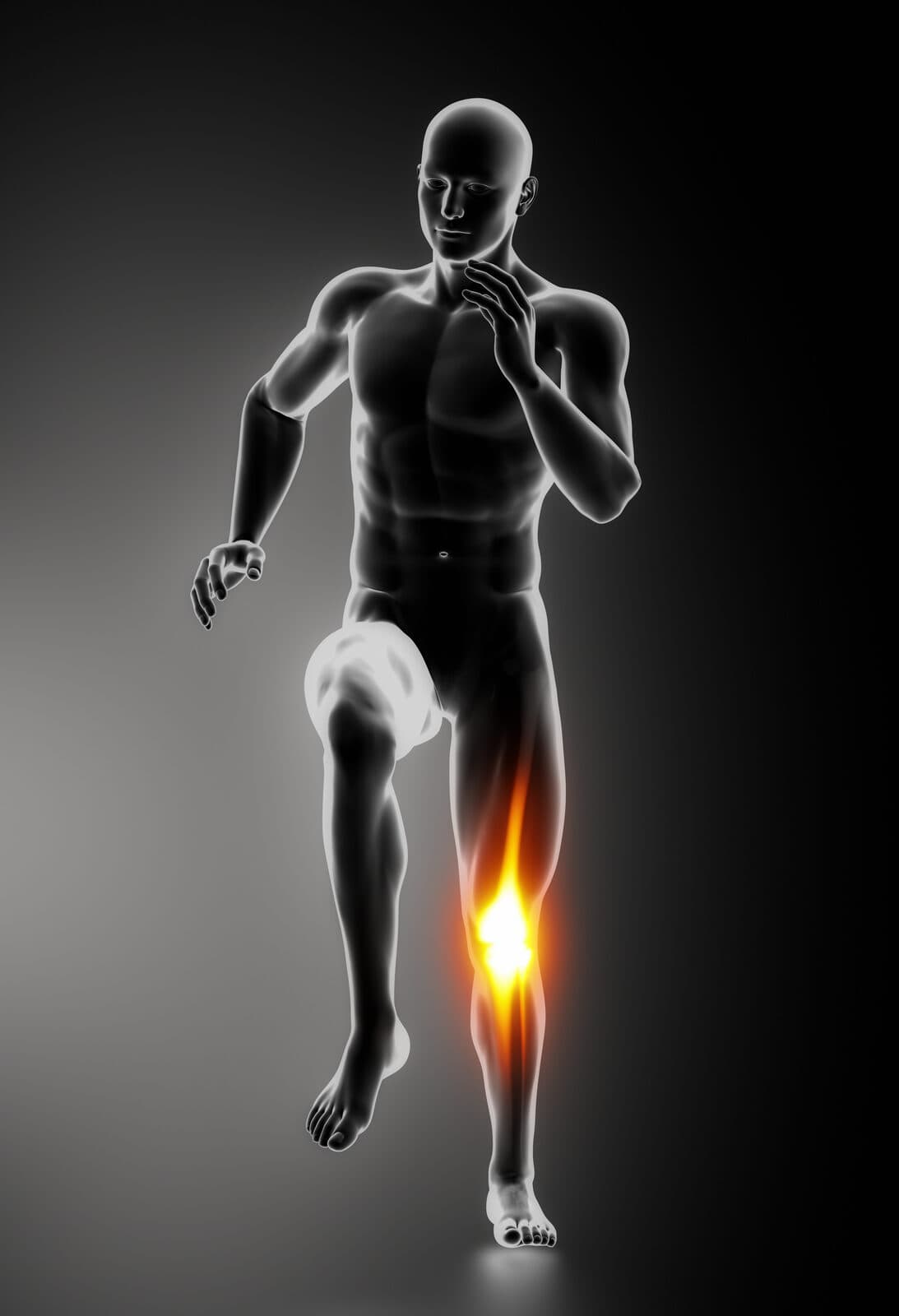
- knee, shoulder and hip pain
- heel and Achilles tendon pain
- recovery after injuries and surgery
- pelvic floor – painful, weakened or tense
- diastasis and tailbone pain
- flat feet and foot problems
- stability and posture
Come even in acute pain.
Your body’s reactions will show us which direction to take and what will help you most right now. Even a single session can make it clear how to move forward.